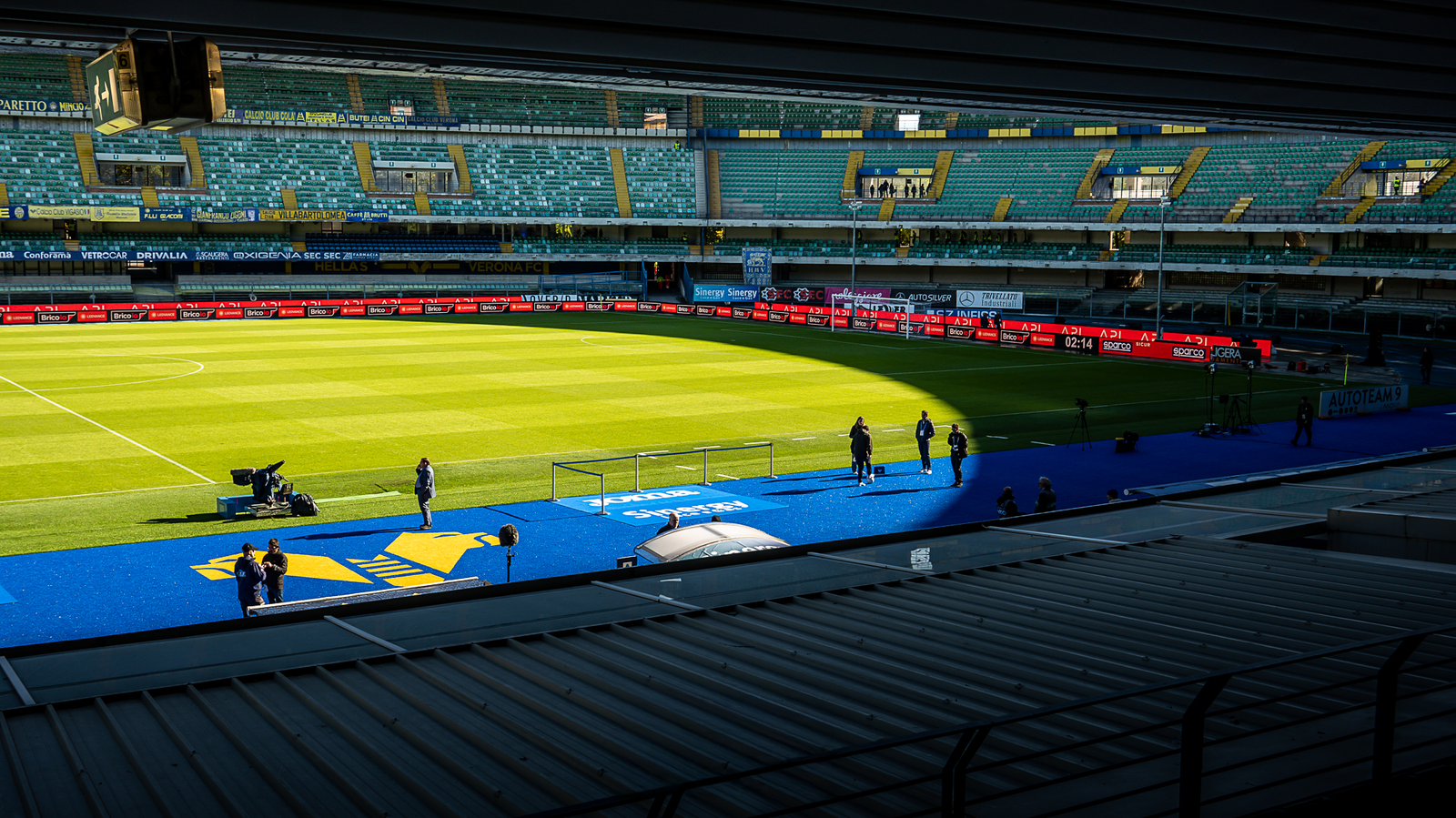
In contemporary football there is a figure who works far from the spotlight, but who has a profound impact on the balance of a sports club. This is the
SLO figure
— frequently cited in regulations and rarely understood in daily practice. They are not born to perform representation, nor to "manage" supporters from above. They are born to keep open a human, continuous and credible channel in a context where emotions count as much as rules.The
supporter liaison officer (SLO)
is the result of football's evolution, driven by
UEFA licences
, international directives and the genuine need to improve the quality of
relations with supporters
. A need well understood by those who live the stadium experience, because they know how easy it is to move from enthusiasm to fracture when listening is absent.
Who the SLO Really Is and Why They Are Not a Symbolic Figure
The SLO is not a neutral intermediary, nor a simple formal point of contact. They are a person who knows the context, the language and the dynamics of
supporter groups
, and who at the same time is embedded in the club's structure. This dual positioning is delicate, sometimes uncomfortable, but essential.The
SLO's task
is to build and maintain constant
two-way communication
. They do not simply pass down decisions from above — they collect concerns, signals and discontent and relay them in a comprehensible and useful way to management. It is here that the role stops being theoretical and becomes concrete.
The Link with FIGC, UEFA and the Regulatory Framework
In the Italian context, the
Federazione Italiana Giuoco Calcio
recognises and situates the SLO figure within a broader system of responsibilities and rules. The reference to the
code of sporting justice
is not coincidental, because the SLO's work indirectly contributes to preventing behaviours that can generate sanctions, tensions or reputational damage.At European level,
UEFA licences
require the presence of this figure precisely because modern football can no longer afford improvised management of the relationship with supporters. It is not only a matter of public order, but of sporting culture, identity and sustainability.
The SLO's Main Objective in the Club's Daily Life
The
main objective
of the SLO is one, even if it takes many forms:
improving relations
between the club and the supporters over time. Not at the moment of crisis, but before it. Not through press releases, but through presence, listening and continuity.This means working on details that are often underestimated — logistical decisions poorly explained, changes communicated too late, silences interpreted as a closed door. The SLO intervenes precisely there, creating
appropriate dialogue
that reduces misunderstandings and rigidity.
A Function That Works on Trust, Not Control
Thinking of the SLO as a control instrument is one of the most frequent mistakes. In reality, their role is based on mutual trust — trust that is not obtained through authority, but through consistency and reliability over time.When the SLO is recognised as a credible interlocutor, even difficult messages are received differently. Not always accepted, but understood. And this is often the difference between manageable tension and open conflict.
SLO, Supporters and Fair Play Off the Pitch
The concept of
fair play
does not only concern what happens during the ninety minutes. It concerns the respect of people, roles and identities. The SLO also works on this level — less visible, but equally important.Through constant engagement with
supporter groups
, they contribute to spreading a culture of shared responsibility. Not by imposing rules, but by explaining consequences, contexts and limits. It is slow work, built on relationships rather than procedures.
Why the SLO Is a Strategic Figure Today
In today's football — increasingly exposed and regulated — the management of relationships is an integral part of sporting management. The SLO does not directly influence what happens on the pitch, but they influence the context in which that result is experienced, interpreted and absorbed.Those who have lived through complex seasons know how much the climate around the team can influence everything else. The SLO works precisely in this invisible space — creating continuity, reducing noise, fostering understanding.It is not a simple role, nor an automatic one. It is a human role, built on balance, presence and responsibility. And it is for this reason that, in modern football, it can no longer be considered marginal.
Discover the Training Programs of Accademia dello Sport
Professional Master's programs in Football Management, Basketball Management and Match Analysis with top-level instructors and direct experiences at professional clubs.