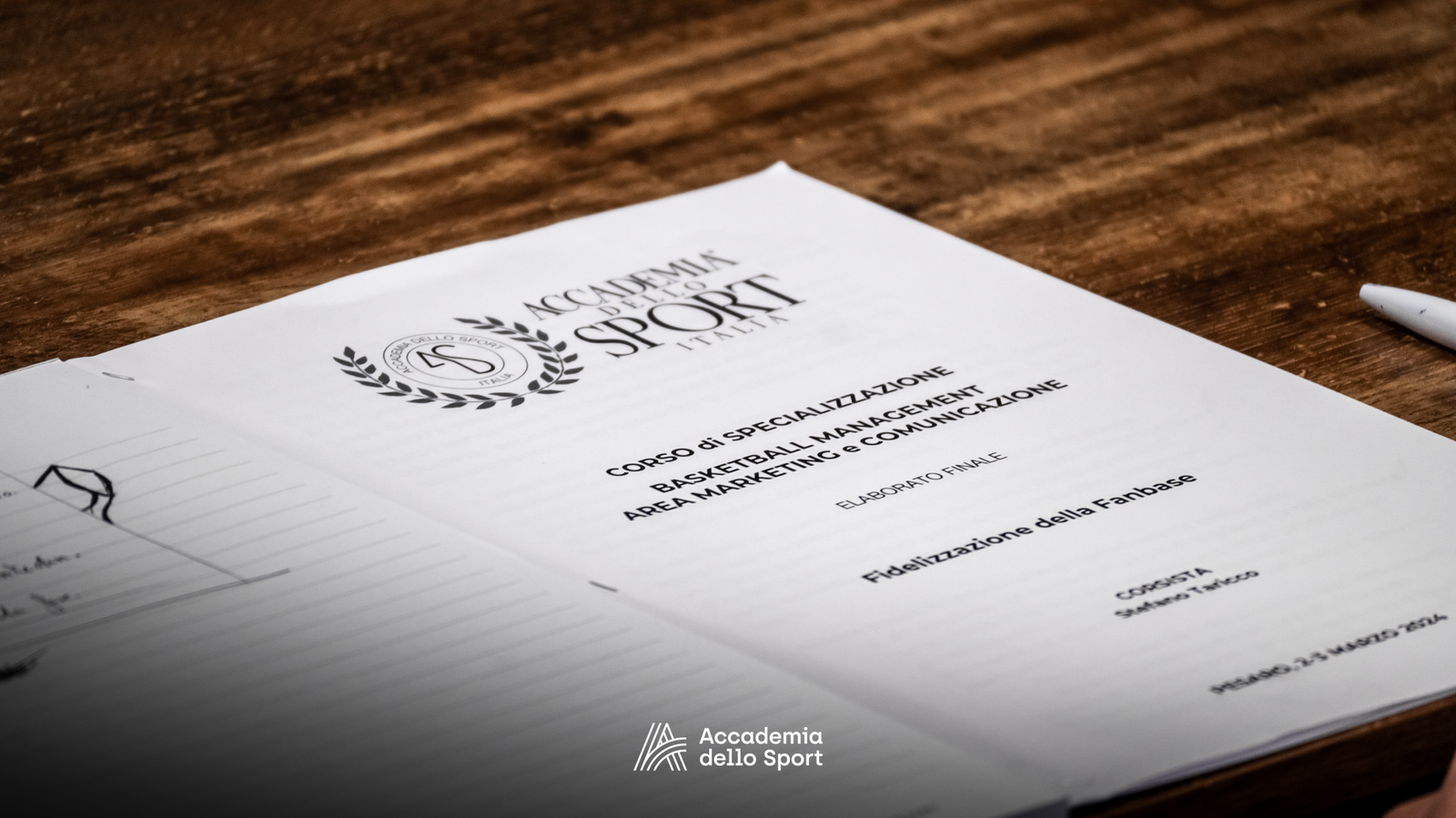
In contemporary basketball, the role of the general manager has long since ceased to be an accessory function. It has become a governing figure, in the most concrete and least rhetorical sense of the word. It governs choices, timing, relationships and directions. It does not act on the emotional wave of a game lost or won, but on a deeper level — one where every decision settles over time and produces effects that are often only visible months later. Those who try to understand what a basketball general manager truly does are usually looking for precisely this: the hidden meaning of the work that holds a team together when the external noise tries to pull it apart.The general manager is the custodian of the sporting vision. They are the one who defines what a team must become, before even deciding who will make it up. This means establishing a technical, human and cultural identity — and defending it even when it would be simpler to abandon it. In basketball, more than in other sports, consistency pays off over the long term. The GM is there to prevent every season from starting from scratch.
What a General Manager in Basketball Actually Does
The general manager's daily work is less spectacular than one might imagine. It is made up of analysis, continuous comparisons and quiet observation. The transfer market is only the tip of the iceberg. The most delicate part is understanding which players can work together — not just on the court, but in the invisible space of the locker room.Building a roster means reading behaviours before reading statistics. It means understanding who can handle a secondary role, who accepts coming off the bench, who needs to feel central. A frequent mistake is confusing talent with real impact. The experienced general manager knows that a balanced team is worth more than a collection of names.Alongside technical choices comes the management of relationships. Coaches, athletes, agents, ownership. Everyone talks to the GM, often in moments of tension. It is a figure that absorbs pressure and redistributes it in a sustainable way. When this work is done well, it is almost invisible. When it is done poorly, the problems become public very quickly.
The Distinction from the Coach's Role
The coach and the general manager operate on different time horizons. The coach lives in the present — in the weekly cycle, in the game that is coming. The GM works on the near and more distant future. They must protect the coach from structural instabilities and, at the same time, protect the club from impulsive decisions.When the boundaries are clear, the system works. When they overlap, confusion is created. Modern basketball requires distinct roles and constant dialogue, not internal competition.
Recurring Mistakes in the Role
Many approach this position with a simplified idea of command. In reality it is a role of responsibility more than of control. The most common mistakes arise from a partial reading of the context.
-
Overvaluing the technical aspect
-
Undervaluing emotional dynamics
-
Changing strategy too frequently
-
Seeking immediate results at any cost
These mistakes compromise internal credibility, and once lost it is difficult to recover.
How One Arrives at This Role
There is no single path. There is time spent inside basketball — observing, listening, understanding the real mechanisms. Training programmes help when they provide concrete tools and not just theory, but they only become useful when accompanied by direct experience.The general manager is formed on the ground, often in marginal roles, learning to read complex situations without intervening immediately.
Why It Is a Central Figure Today
Basketball has become faster, more demanding and more exposed. Without stable leadership, clubs risk reacting instead of choosing. The general manager serves to slow things down when everyone wants to accelerate, to maintain a course when pressure pushes towards constant change.Understanding who a basketball general manager truly is and what they do means stopping the idealisation of the role and beginning to respect its complexity. It is a function that requires clarity, vision and a strong capacity to stand in the middle — between people, expectations and reality. It is not for everyone. But for those who truly understand it, it becomes one of the most impactful and formative roles in the entire basketball ecosystem.
Discover the Training Programs of Accademia dello Sport
Professional Master's programs in Football Management, Basketball Management and Match Analysis with top-level instructors and direct experiences at professional clubs.